Cannabis automation isn’t some far-off idea waiting to happen, it’s already here, shaping how professional cultivators operate each day. As facilities scale and regulations tighten, relying solely on manual workflows is becoming nearly impossible. The industry is moving fast, and those who depend on outdated methods are finding themselves left behind. Efficiency, traceability, and consistent output aren’t optional anymore, they’re the price of admission.
What automation really means
When people hear “automation,” they often picture a single machine doing one task. But in cannabis, it’s much bigger than that. Automation means integrating the entire workflow (from propagation to final product) into a coordinated, data-driven ecosystem. It’s about workflows that talk to each other, precision steps that don’t drift over time, and repeatable processes that deliver stable results even as volumes grow.
At its core, automation minimizes variability. It ensures clones are cut the same way every time, trimming remains uniform across batches and drying or sorting steps follow precise parameters. By removing guesswork and inconsistency, cannabis automation solutions help cultivators achieve the quality standards the modern market demands.
Why automation matters now
Demand for cannabis has risen, production volumes have ballooned, and costs continue climbing. Manual labor alone simply can’t keep up. Skilled workers are harder to find, harder to train, and even harder to retain. Meanwhile, regulations push for tighter controls and greater uniformity. Add competitive pressure into the mix and the message becomes obvious: automation isn’t a luxury; it’s a survival strategy.
Producers need to stay efficient without sacrificing quality, and cannabis processing automation offers a clear path. It reduces operational fragility and helps teams maintain productivity even under changing economic or regulatory conditions.
Key benefits
The value of automation shows up quickly across different areas of production. Time savings are one of the biggest wins, as automated workflows speed up throughput, reduce downtime, and keep operations moving without constant interruptions. When repetitive tasks no longer absorb hours of labor, teams can redirect their focus toward higher-value work like supervision, quality control, or facility optimization.
Cost reduction follows naturally. Automated cannabis equipment lowers reliance on manual labor, reducing both wages and inefficiencies that creep in over time. And with more predictable processes, operational costs stabilize, no more surprises caused by variable output or inconsistent performance.
Quality and consistency also improve. Automation lowers the risk of human error and helps producers replicate successful batches with greater precision. Whether trimming, sorting, or propagating, machines follow the same parameters every time, ensuring a more uniform final product.
And then there’s ROI. While automation requires initial investment, the long-term advantages as labor savings, fewer mistakes, higher throughput, and more consistent quality, turn operational cost into operational leverage.
Automation in cannabis, not only post-harvest
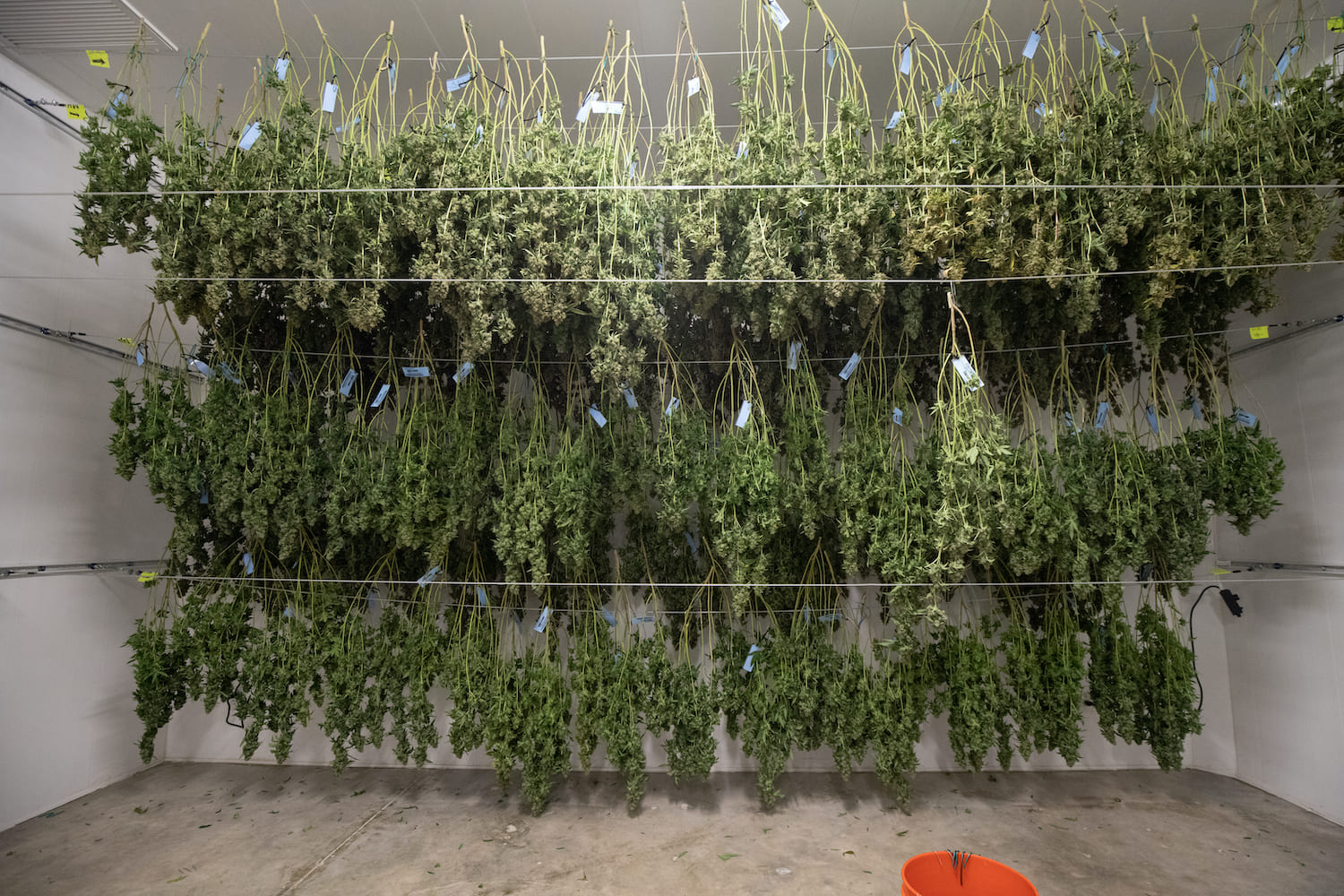
Many people associate automation with trimming or post-harvest tasks, but the truth is far broader. Modern automation spans the entire lifecycle of the plant: propagation, cultivation, harvesting, trimming, drying, sorting, and packaging. Treating automation as isolated equipment purchases misses the bigger opportunity.
The future lies in end-to-end workflows, where every step supports the next and data flows seamlessly across the system. That’s how professional producers reduce friction, scale confidently, and improve every stage of production, not just the last one.
Master Products’ evolution
Over the years, Master Products has watched the industry evolve and noticed a clear shift in what professionals truly need. Instead of focusing exclusively on trimming expertise, the brand has expanded its vision to address a broader, more strategic transformation: fully automated systems that optimize workflows at any stage of production.
This shift aligns with the demands of large-scale cultivators in the USA and international markets alike. Facilities want scalable, integrated workflows rather than piecemeal solutions. That’s why Master Products adopted its new positioning: Fully Automated Solutions for Cannabis Equipment. It reflects a commitment to helping producers move beyond single-machine thinking and toward cohesive, efficient systems that support long-term growth.
Case example: Master Clone
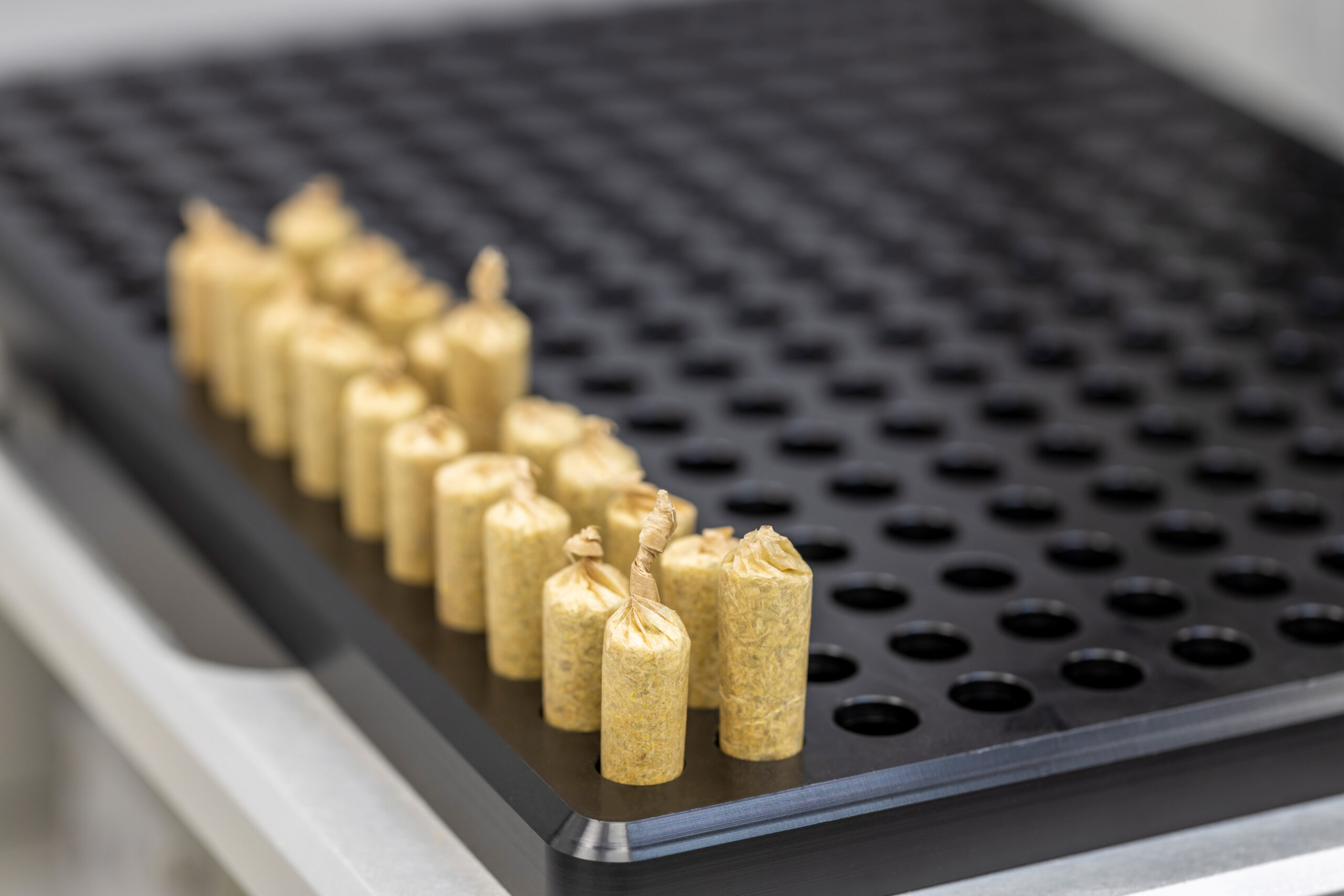
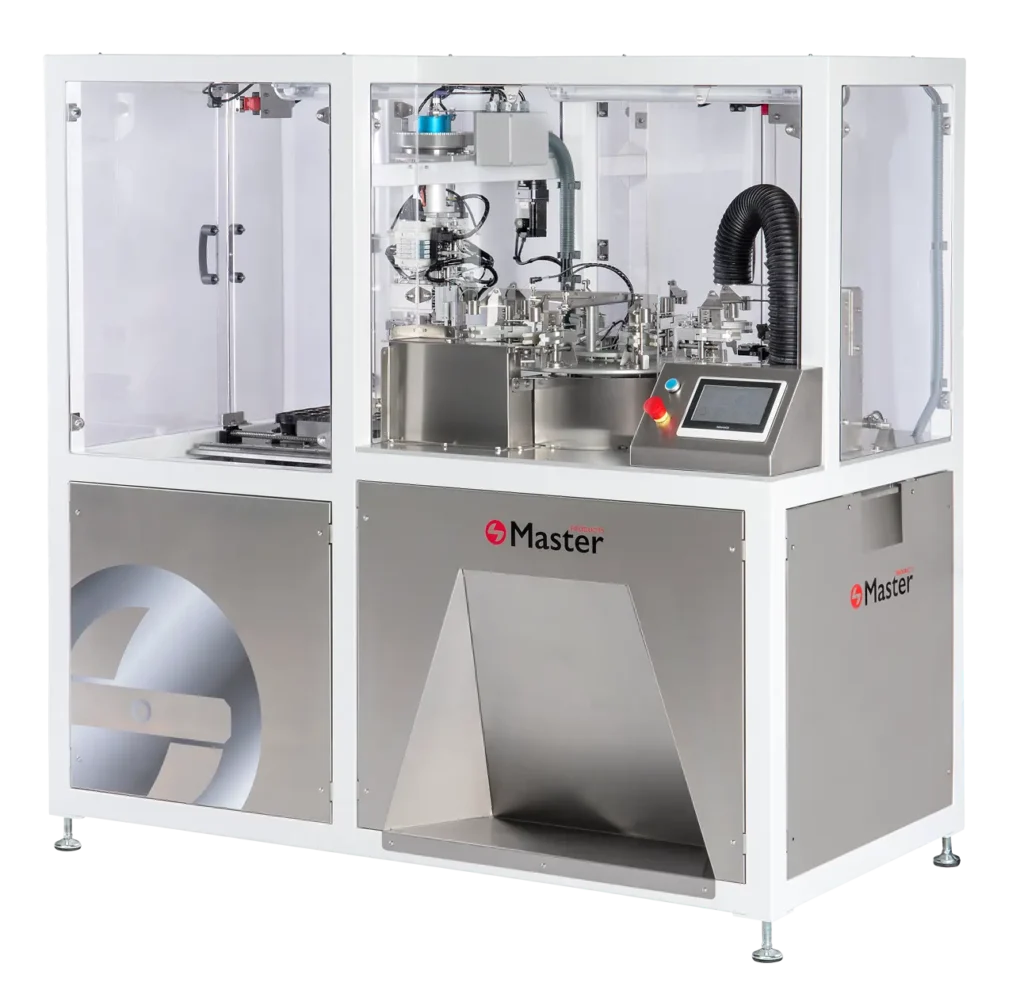
A perfect example of this evolution is the Master Clone, a pioneering machine designed to automate the earliest phase of cannabis production: propagation. Cloning has traditionally been a labor-intensive, repetitive task requiring precision and hygiene. Any inconsistency at this stage can ripple through the entire grow cycle.
The Master Clone tackles those challenges head-on by standardizing each cut with speed and accuracy. Its design helps reduce labor needs immediately, giving teams a way to produce more clones with fewer hands while maintaining uniformity. For facilities scaling production, this is a major advantage: ROI begins on day one.
As the first machine of its kind, it represents real cannabis automation applied in practice, not a theoretical improvement, but a tangible tool already changing how facilities manage early-stage workflows.
The bigger picture
Automation is rapidly becoming a competitive differentiator. As cannabis production continues to professionalize, standardized and industrialized processes are reshaping the market. Producers who adopt automation are setting themselves up for efficiency, consistency, and long-term success, while those who resist often face higher labor costs, lower throughput, and greater operational risk.
Meet the future of cannabis
The cannabis industry is clearly moving toward integrated, end-to-end automated solutions. Master Products is committed to studying market needs, understanding how professional operations scale, and delivering solutions that adapt to those realities. The brand’s mission remains centered on helping producers reduce costs, maintain high-end quality, and build workflows that can evolve with the industry.
Cannabis automation isn’t something to prepare for someday, it’s already defining the leaders of tomorrow. And with real, accessible tools like the Master Clone, the future of cannabis is closer than ever.
Meet the future of cannabis with Master Products.