Mechanized trimming has become a central component of modern post-harvest workflows, driven by increased cultivation scale, stricter market requirements, and the need for predictable throughput in professional environments. Selecting the right cannabis trimming machine must therefore rely on measurable operational variables rather than generic product descriptions. Factors such as batch volume, trimming methodology, throughput stability, blade engineering, mechanical durability, and service requirements determine efficiency, consistency, and long-term performance. The following sections reflect the decision-making process used in industrial cultivation environments and serve as a reference for evaluating industrial cannabis trimmers aligned with professional standards.
Start with your cultivation scale
Small-batch environments prioritize controlled handling and minimal mechanical stress. Machines in this category must offer refined interaction with the flower, moderate throughput, and cutting assemblies designed to protect trichome-rich surfaces. The objective is to achieve consistent presentation without excessive mechanization.
Mid-size facilities require a balance between throughput and structural preservation. Equipment must integrate seamlessly into existing post-harvest workflows, support multi-strain processing, and maintain standard trim quality across multiple harvest cycles. Operational flexibility as adjustable blade speeds, ergonomic loading systems, and adaptable workflow configuration, becomes essential in maintaining continuity.
Large-scale commercial operations depend on industrial cannabis trimming machines engineered for repetitive workloads, extended usage windows, and consistency under demanding operational conditions. Mechanical endurance, predictable throughput, and reinforced construction become decisive variables that influence labor allocation, daily output, and overall facility productivity.
Core selection factors (applicable across industrial trimmers)
Harvest size and batch rhythm influence chamber dimensions, motor demands, and blade geometry. The machine must sustain output during high-volume periods without compromising the integrity of the flower. Budget evaluation must extend beyond the purchase price to consider lifecycle cost, including maintenance intervals, wear components, downtime risk, and energy consumption.
Throughput capacity should be assessed not only by speed but by the machine’s ability to maintain continuous cycles with controlled interaction. The best cannabis trimmer is one that preserves inflorescence integrity while delivering reliable uniformity. Automation decisions depend on facility maturity and labor availability: semi-automated systems enable early scalability, while advanced automation fits multi-shift or fully synchronized production lines. Desired trim finish plays a critical role: premium flower requires refined aesthetic outcomes, while biomass-oriented production emphasizes volume and uniformity.
Maintenance practicality must be part of the initial evaluation. Industrial trimming equipment should provide rapid access to internal assemblies, efficient cleaning mechanisms, and standardized replacement components. This ensures operational stability across multiple harvests and minimizes downtime.

Dry vs. Wet trimming
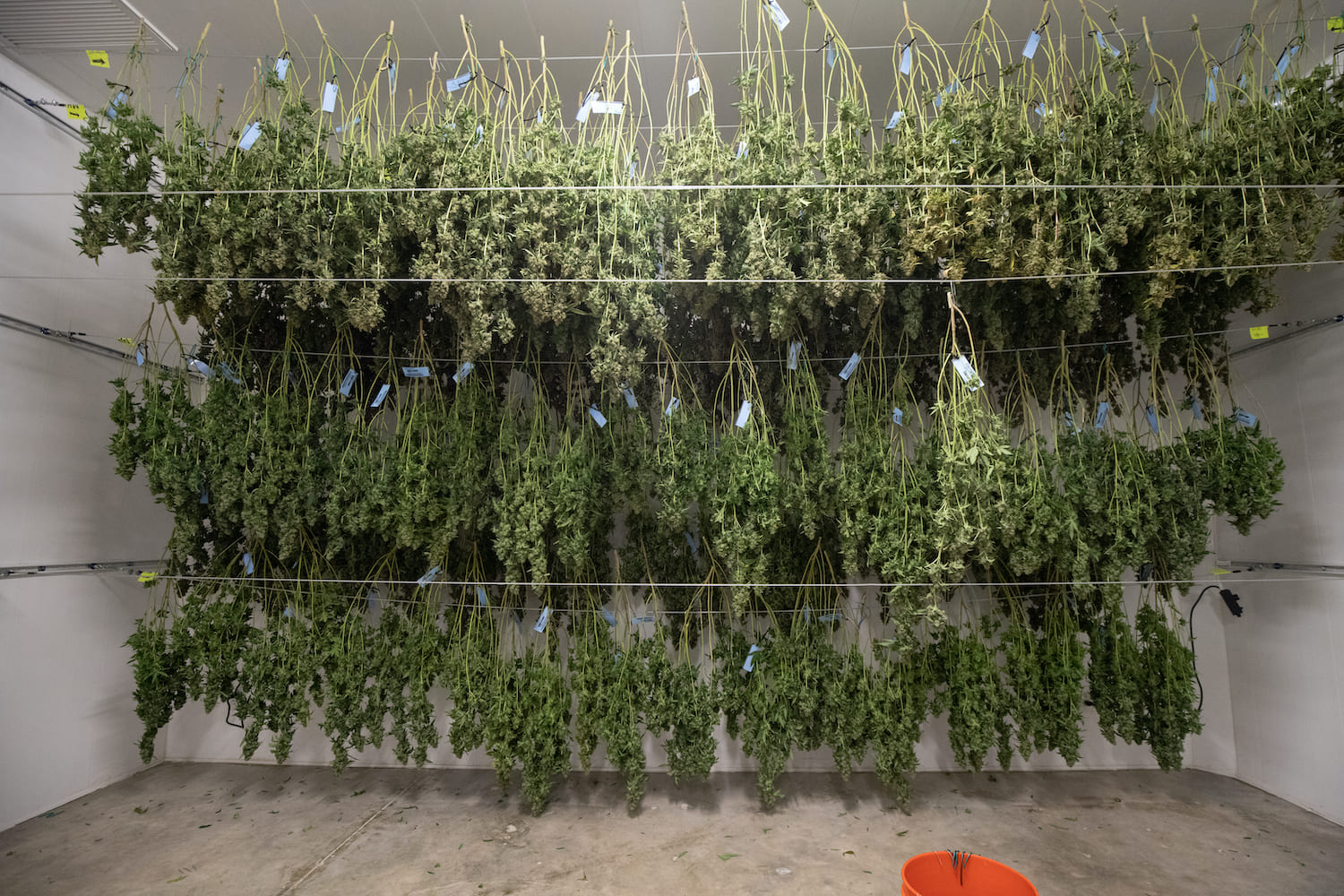
Wet trimming supports rapid processing immediately after harvest and reduces manual intervention in high-humidity conditions. It is well suited to large-scale, time-sensitive operations where stabilization of biomass is the priority.
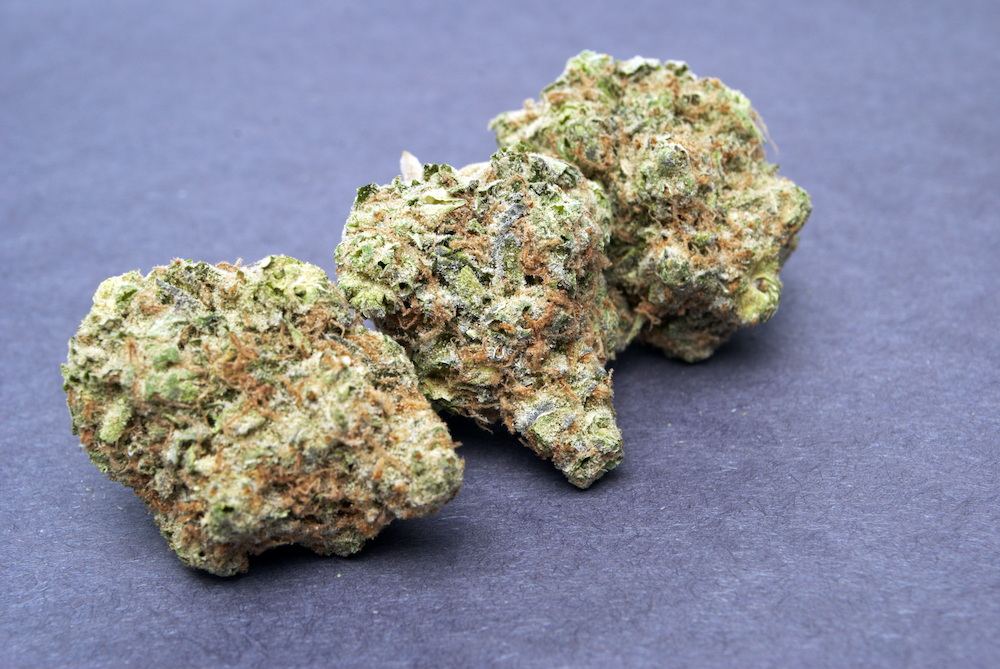
Dry trimming protects cannabinoid surfaces and terpene layers more effectively. It is preferred for premium flower categories and cultivars with high resin concentration, providing reduced abrasion and improved structural preservation. Defining your trimming methodology before equipment acquisition prevents workflow mismatches and ensures consistency in product specifications.
Blade engineering and operational ergonomics
Blade configuration determines mechanical interaction with the flower. Industrial systems should use cutting geometries optimized specifically for cannabis morphology. Correct curvature, spacing, and rotational dynamics reduce material loss and preserve high-value components such as trichomes. Material durability including reinforced alloys, corrosion-resistant metals, and stabilized assemblies, extends equipment lifespan and reduces long-term operational cost.
Noise levels influence workplace ergonomics and regulatory compliance. Professional-grade trimming systems must incorporate noise-mitigation engineering suited to industrial environments without compromising performance.
Build quality, warranty, and service
Structural integrity is fundamental in determining service life. Industrial cannabis trimming equipment requires reinforced frames, controlled vibration, and motors designed for repetitive loading during peak harvest windows. Warranty depth and technical support availability are essential considerations. Parts supply, rapid service response, and certified technical assistance have a direct impact on post-harvest continuity, particularly in high-volume facilities.
Common buying mistakes
Oversizing machinery leads to unnecessary capital expenditure and underutilization. Underestimating maintenance requirements results in downtime, reduced efficiency, and premature component wear. Selecting equipment incompatible with the chosen dry or wet trimming methodology produces inconsistent results and affects product positioning. Neglecting workflow integration creates bottlenecks that reduce overall operational efficiency.
Example of industrial equipment lines
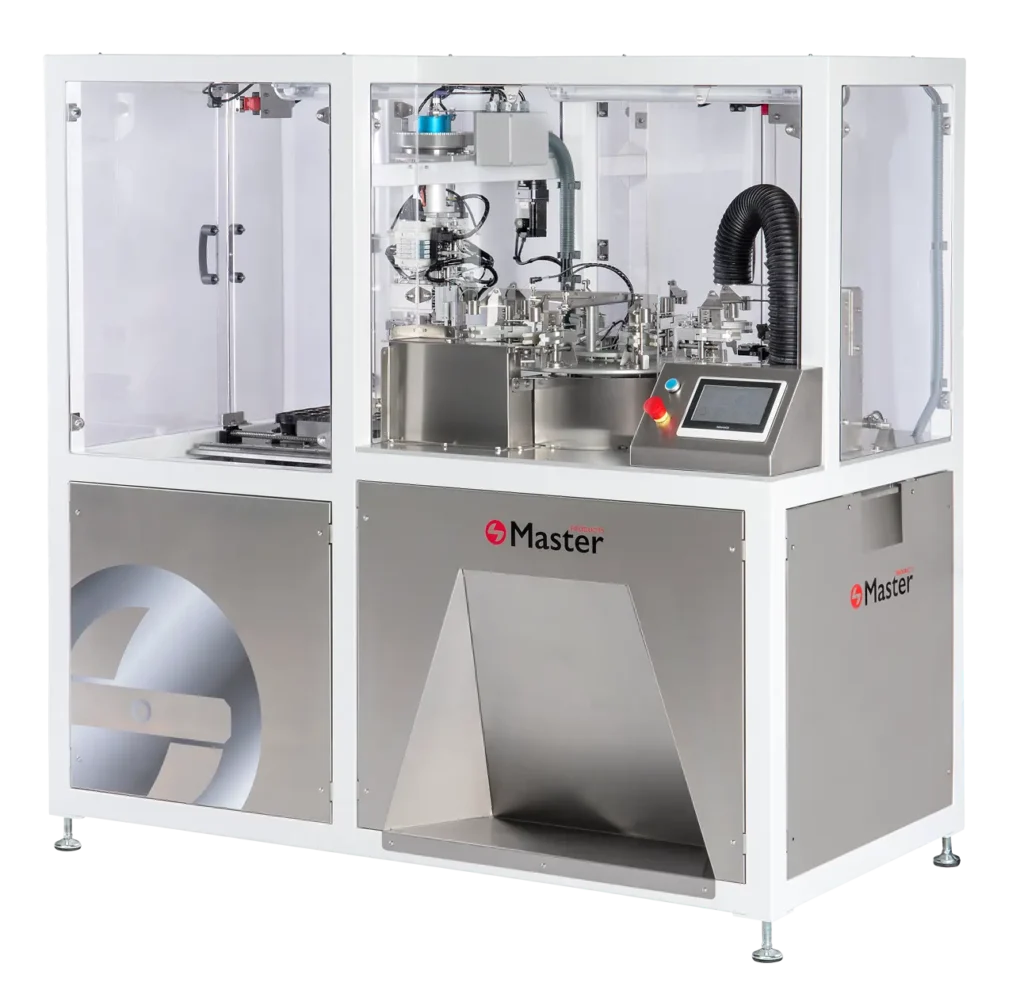
The Professional Line developed by Master Products exemplifies industrial engineering for high-volume cultivation environments, incorporating reinforced assemblies, controlled blade interaction, and workflow-oriented configuration. Specifications may be reviewed directly on the Professional Line page.
For medical-grade trimming environments, the Medical Line represents a reference for compliant mechanical design, precision contact surfaces, and hygiene-oriented construction. Technical information is accessible through the Medical Line technical reference.
These two equipment ranges illustrate how industrial trimming systems can be configured for different operational standards and serve as benchmarks when evaluating commercial post-harvest machinery.
Alignment with business objectives
Choosing the ideal cannabis trimming machine means aligning equipment capabilities with long-term operational strategy. Craft-oriented production benefits from precise trimming that preserves morphological integrity and cannabinoid density. Large-scale operations require durable, heavy-duty mechanisms engineered for repeatable throughput and extended operational windows. Matching equipment selection to product category, workflow capacity, and strategic positioning ensures consistency, reliability, and competitiveness within the evolving cannabis market.