In many cannabis facilities, especially those moving from small-scale growing to professional production, one problem appears early: people use the same words, but mean different things.
One technician talks about “curing.” Another means “drying.”
A quality manager mentions “terpene loss.” An operator thinks it means “smell reduction.”
A supervisor asks for “proper moisture,” but no one agrees on the target value.
This lack of shared technical language creates real operational risks: inconsistent batches, quality deviations, training errors, and failed audits.
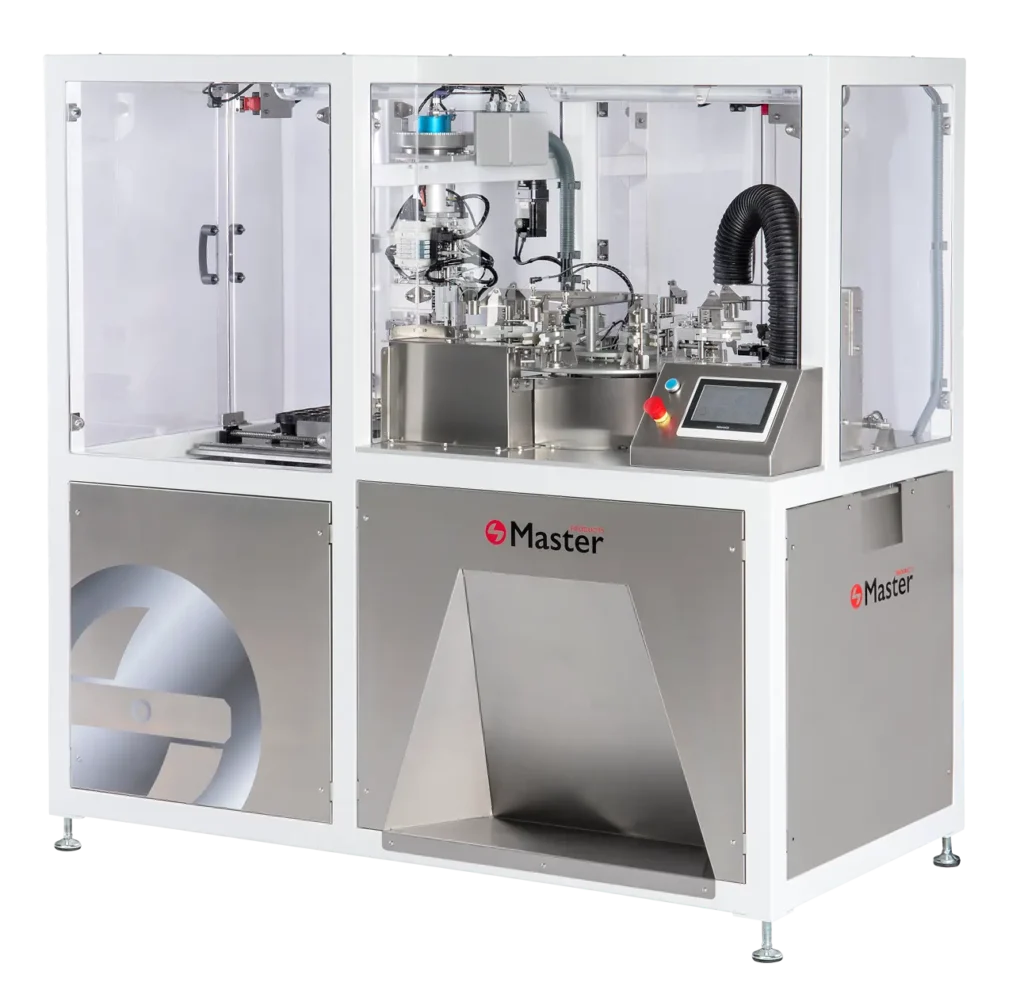
For this reason, professional facilities implement standardized protocols and use specialized equipment to control critical parameters such as moisture, drying, and curing, like those developed by experts in cannabis post-harvest solutions such as Master Products.
A well-built cannabis glossary is not just for beginners. It is a practical tool that helps teams align, document processes correctly, and make better decisions across cultivation, post-harvest, and quality control.
This article presents 15 essential cannabis terms, explained clearly and with professional context, to serve as a reliable reference for newcomers and production teams alike.
15 Essential Cannabis Terms Explained
1. Cannabinoids
Cannabinoids are the active chemical compounds produced by the cannabis plant. The most known are THC and CBD, but more than 100 have been identified.
From a production perspective, cannabinoids determine product classification, regulatory status, and market value. Their concentration is affected by genetics, cultivation conditions, drying, storage, and processing.
Poor post-harvest handling can degrade cannabinoids through oxidation, heat, and light exposure, directly reducing potency and shelf life.
2. THC (Tetrahydrocannabinol)
THC is the main psychoactive cannabinoid in cannabis. It is responsible for most intoxicating effects.
In regulated markets, THC concentration defines legal categories, labeling requirements, and tax levels. Small deviations can result in non-compliant products.
THC is sensitive to heat, oxygen, and UV light, making proper drying, curing, and storage essential.
3. CBD (Cannabidiol)
CBD is a non-intoxicating cannabinoid widely used in medical and wellness products.
CBD-rich cultivars require specific post-harvest protocols to preserve chemical stability. Unlike THC-focused products, CBD biomass is often processed for extraction rather than premium flower.
Quality control must ensure consistent CBD levels and low THC contamination.
4. Trichomes
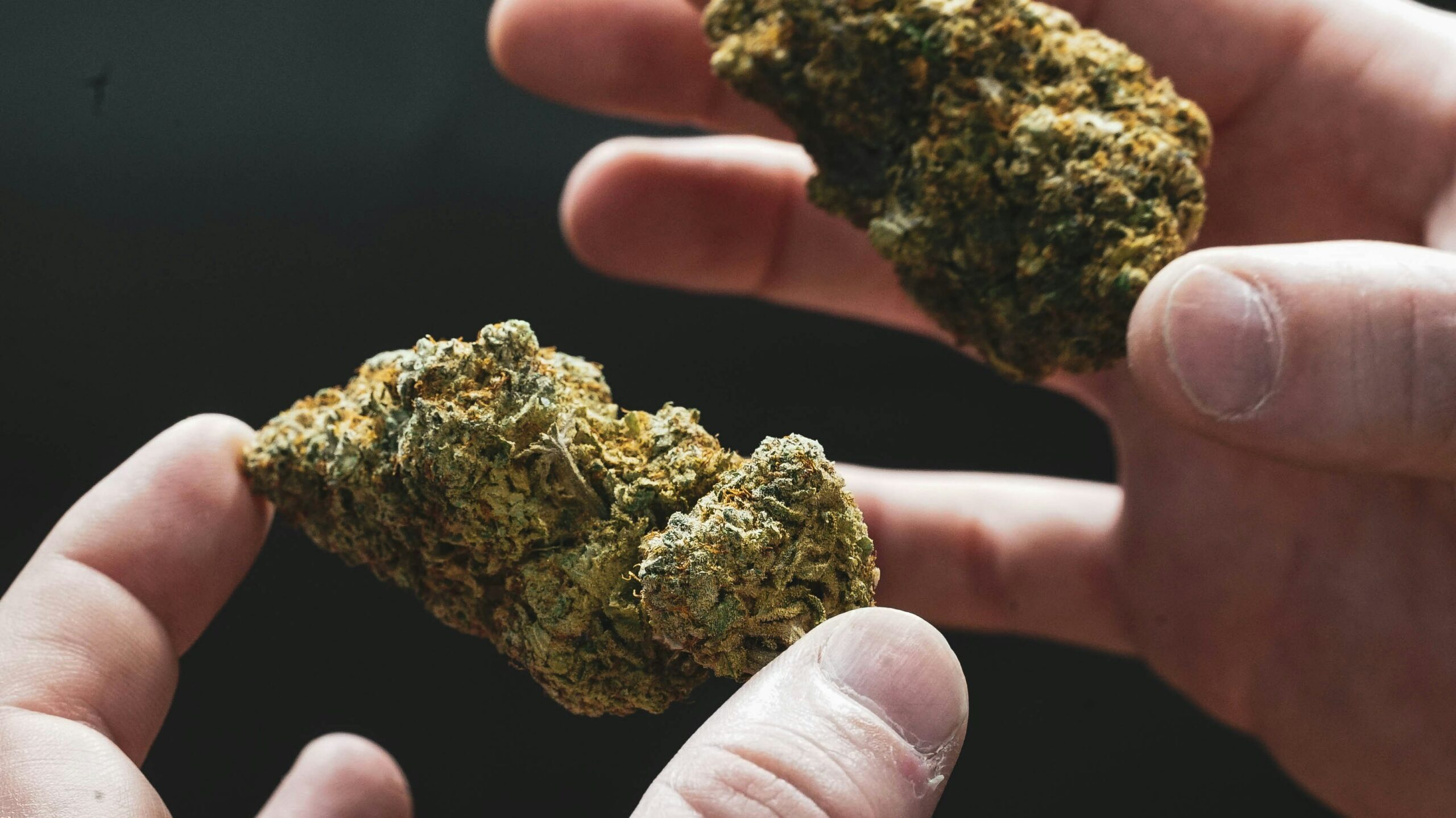
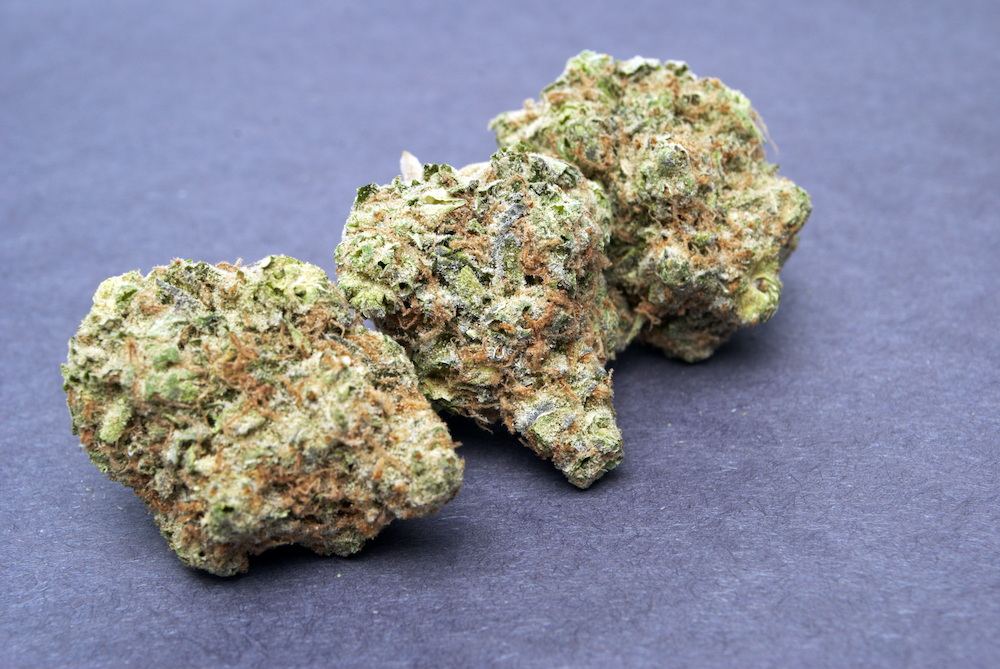
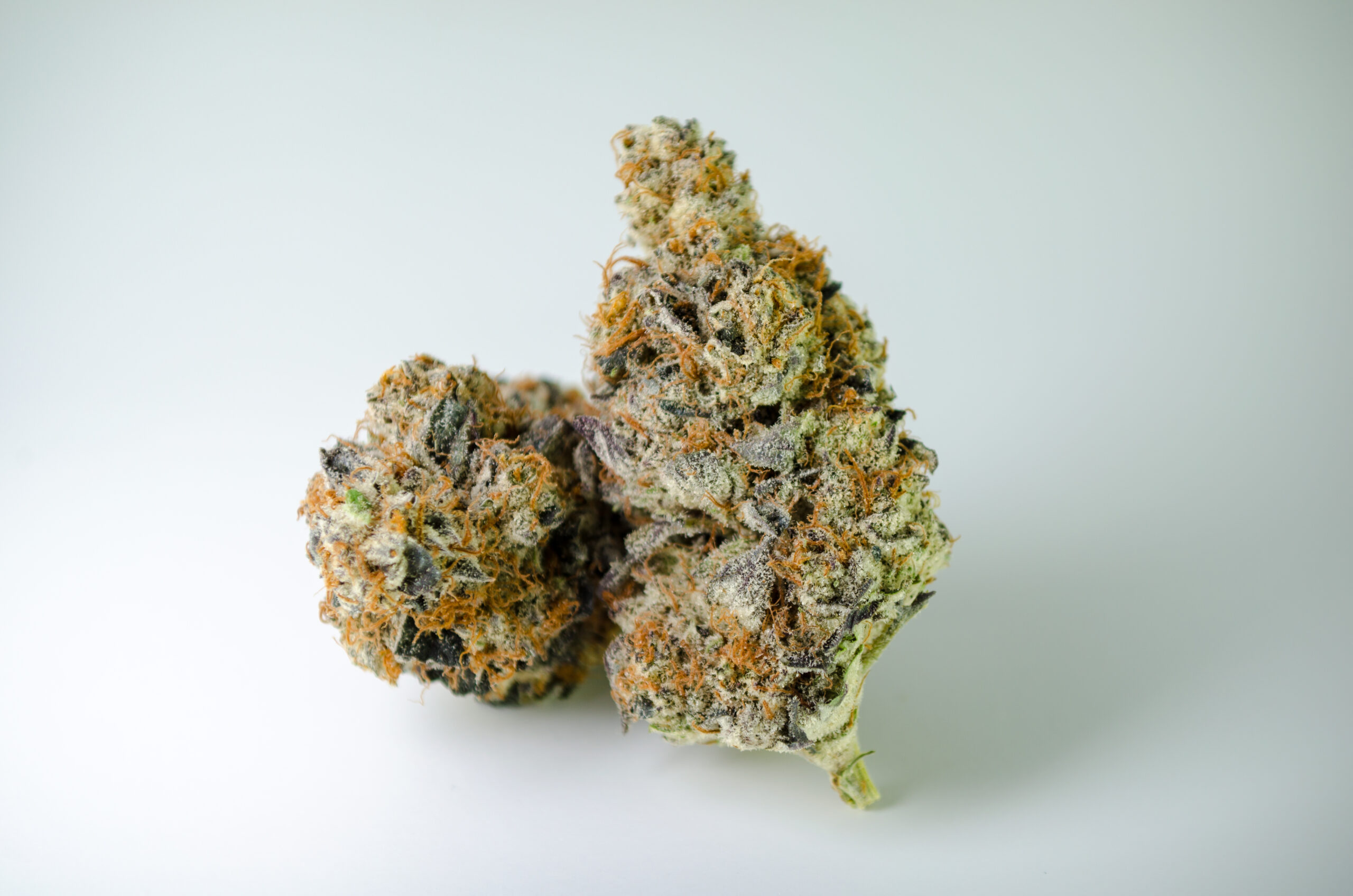
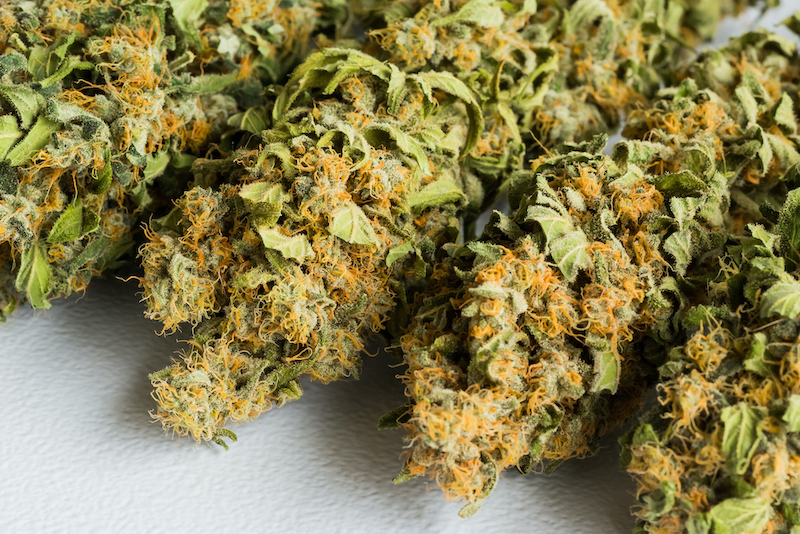
Trichomes are microscopic resin glands that cover cannabis flowers. They contain most cannabinoids and terpenes.
From an industrial point of view, trichomes are fragile. Excessive handling, aggressive trimming, and poor drying conditions damage them.
Preserving trichomes is essential for potency, aroma, and extract yield.
5. Terpenes
Terpenes are volatile aromatic compounds responsible for smell and flavor.
They also influence consumer perception and, in some markets, product differentiation.
Terpenes evaporate easily when exposed to heat, airflow, and low humidity. Poor drying or storage can destroy terpene profiles in days.
Professional drying and curing aim to preserve terpene integrity.
6. Drying
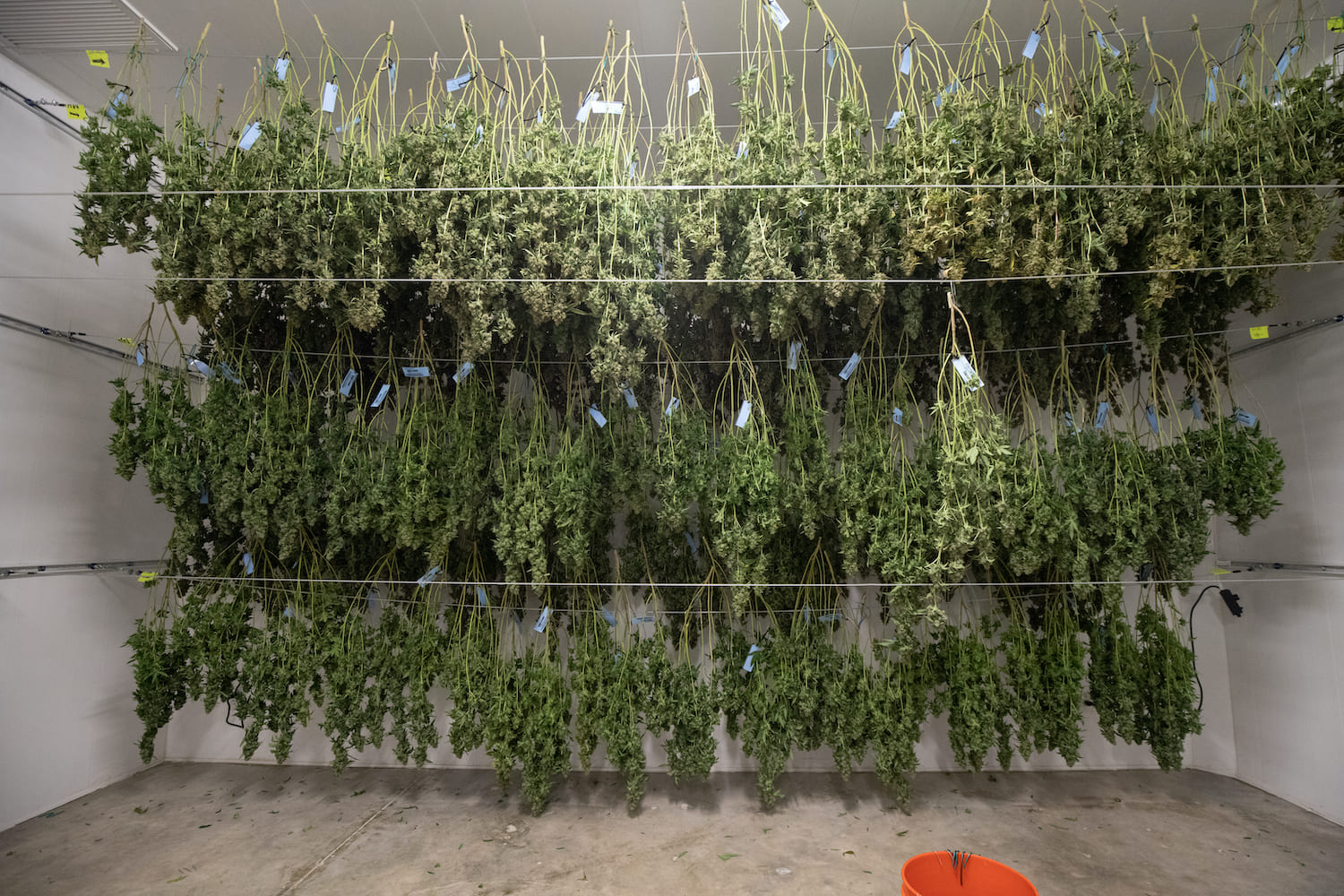
Drying is the controlled removal of moisture after harvest.
Its goal is to reduce water content without damaging cannabinoids or terpenes. Typical targets range between 10% and 13% moisture content, depending on product type.
Drying too fast causes terpene loss and harsh smoke. Drying too slowly increases mold risk.
For this reason, modern facilities use controlled drying systems that maintain stable and reproducible conditions, reducing risk and improving batch consistency.
7. Curing
Curing is the stabilization phase after drying. During curing, residual moisture redistributes inside the flower, and biochemical reactions improve aroma and smoothness.
It requires controlled humidity, temperature, and air exchange. Poor curing leads to inconsistent quality and reduced shelf life. Curing is essential for premium flower products.
8. Moisture content
Moisture content is the total percentage of water in plant material. It is measured using moisture analyzers or oven-drying methods.Incorrect moisture levels cause brittleness, mold, terpene loss, and packaging problems. Moisture control is a core quality parameter in post-harvest management.
9. Water activity (aw)
Water activity measures how much free water is available for microbial growth. Unlike moisture content, it predicts mold risk more accurately.Safe cannabis products usually require aw below 0.65. Ignoring water activity is one of the most common causes of post-harvest contamination.
10. Trimming (Manicuring)
Trimming is the removal of excess leaves from cannabis flowers. It improves appearance, reduces unwanted plant material, and affects drying behavior.
Trimming can be manual, semi-automatic, or industrial. Each method balances labor, speed, and trichome preservation. Improper trimming damages flowers and reduces market value.
Industrial operations often rely on cannabis trimming machines to ensure consistent results, improve efficiency, and preserve trichome integrity while scaling production.
11. Wet Trim vs. Dry Trim
Wet trimming occurs immediately after harvest. Dry trimming happens after drying.
Wet trimming is faster but increases drying speed and terpene loss. Dry trimming preserves aroma but requires more labor.
The choice depends on climate, volume, and product positioning.
12. Batch
A batch is a defined production unit used for traceability. It groups material processed under the same conditions.
Batch integrity is essential for recalls, audits, and quality analysis. Mixing batches destroys traceability and regulatory compliance. Every professional facility must manage batches rigorously.
13. Oxidation
Oxidation is chemical degradation caused by oxygen exposure. It reduces THC, alters terpenes, and darkens flowers.
Poor packaging, frequent handling, and long storage accelerate oxidation.
Controlling oxygen exposure is critical for long-term quality.
14. Certificate of analysis (COA)
A COA is a laboratory report showing cannabinoid levels, terpene profile, contaminants, and compliance data. It validates product safety and legality.
Professional operations integrate COAs into release procedures, quality systems, and customer documentation. Incomplete or inaccurate COAs create legal risks.
15. Shelf life
Shelf life is the period during which cannabis maintains acceptable quality. It depends on drying quality, packaging, storage temperature, humidity, and light exposure.
Without proper controls, cannabis can lose commercial value in weeks.
Shelf-life management is part of industrial product design.
Closing technical reflection
Professional cannabis production depends on systems, not individual skills. Those systems include equipment, protocols, measurements—and language.
When teams share precise definitions, processes become more stable. Training improves. Quality becomes predictable. Compliance becomes manageable.
A well-structured cannabis glossary is not a marketing tool. It is part of operational infrastructure. It supports long-term performance, scalability, and technical credibility.
In a sector that is becoming increasingly regulated and competitive, clarity is not optional. It is a strategic advantage.