In professional post-harvest operations, quality loss rarely comes from one big mistake. Most of the time, it happens through a chain of small decisions that seem harmless on their own: processing too late, working at the wrong temperature, leaving flowers under light for too long, running at high humidity, or handling product too aggressively during trimming.
If your goal is to keep a strong aroma, protect resin integrity, and deliver a premium final presentation, the real question is: how can you preserve cannabis terpenes and trichomes during mechanical trimming? The answer is not only “choose the right machine”. It is about controlling the condition of the flower, the room environment, and choosing between trim wet and trim dry based on your capacity and your cultivar.
What terpene and trichome preservation really mean during mechanical trimming
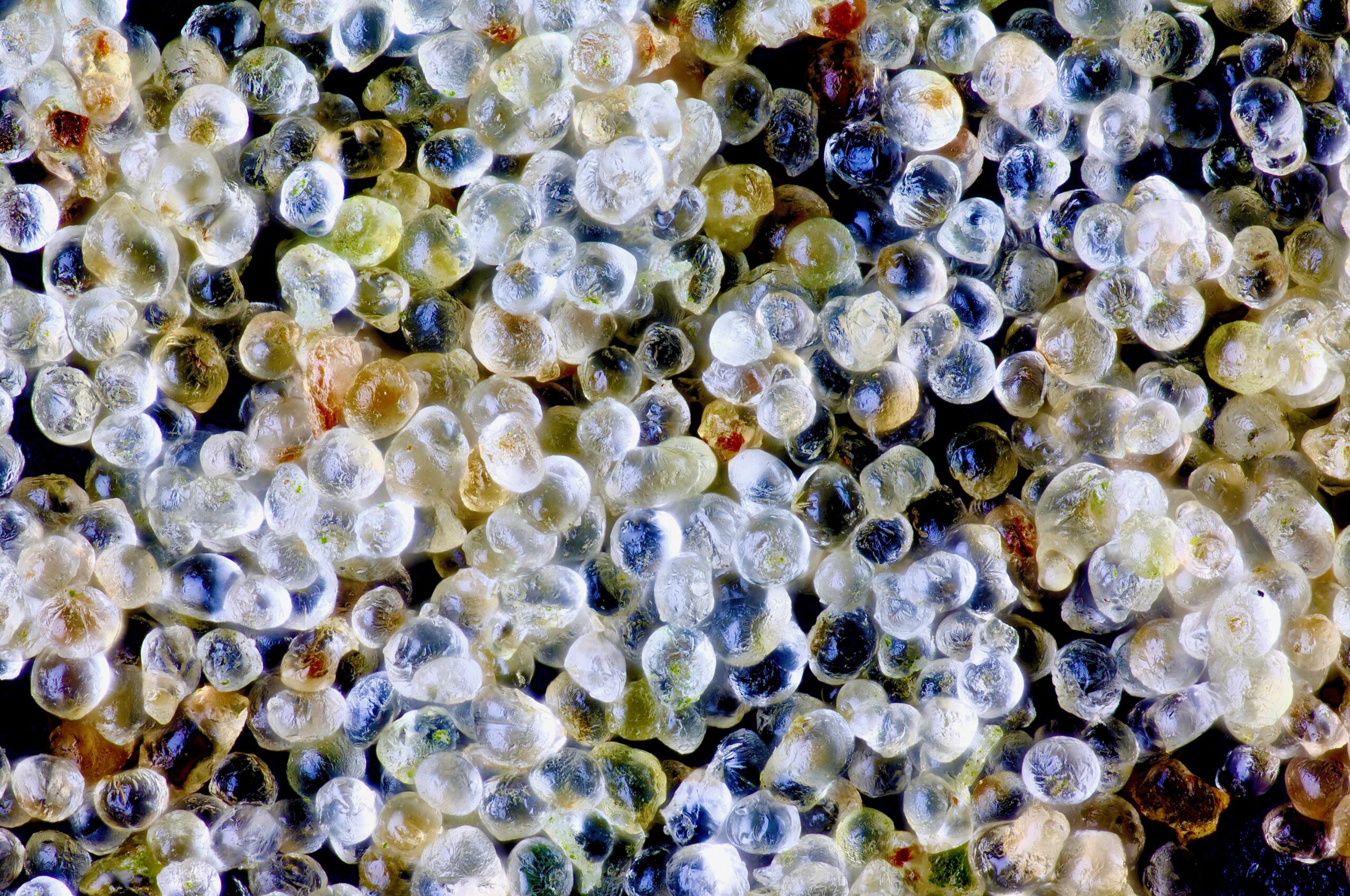
In practical terms, terpene preservation means keeping as much of the flower’s volatile aromatic profile as possible throughout processing. Trichome preservation means protecting the glandular structures where a significant share of cannabinoids and terpenes are concentrated.
Mechanical trimming always involves contact. The goal is not to eliminate contact, but to control how the flower interacts with the machine.
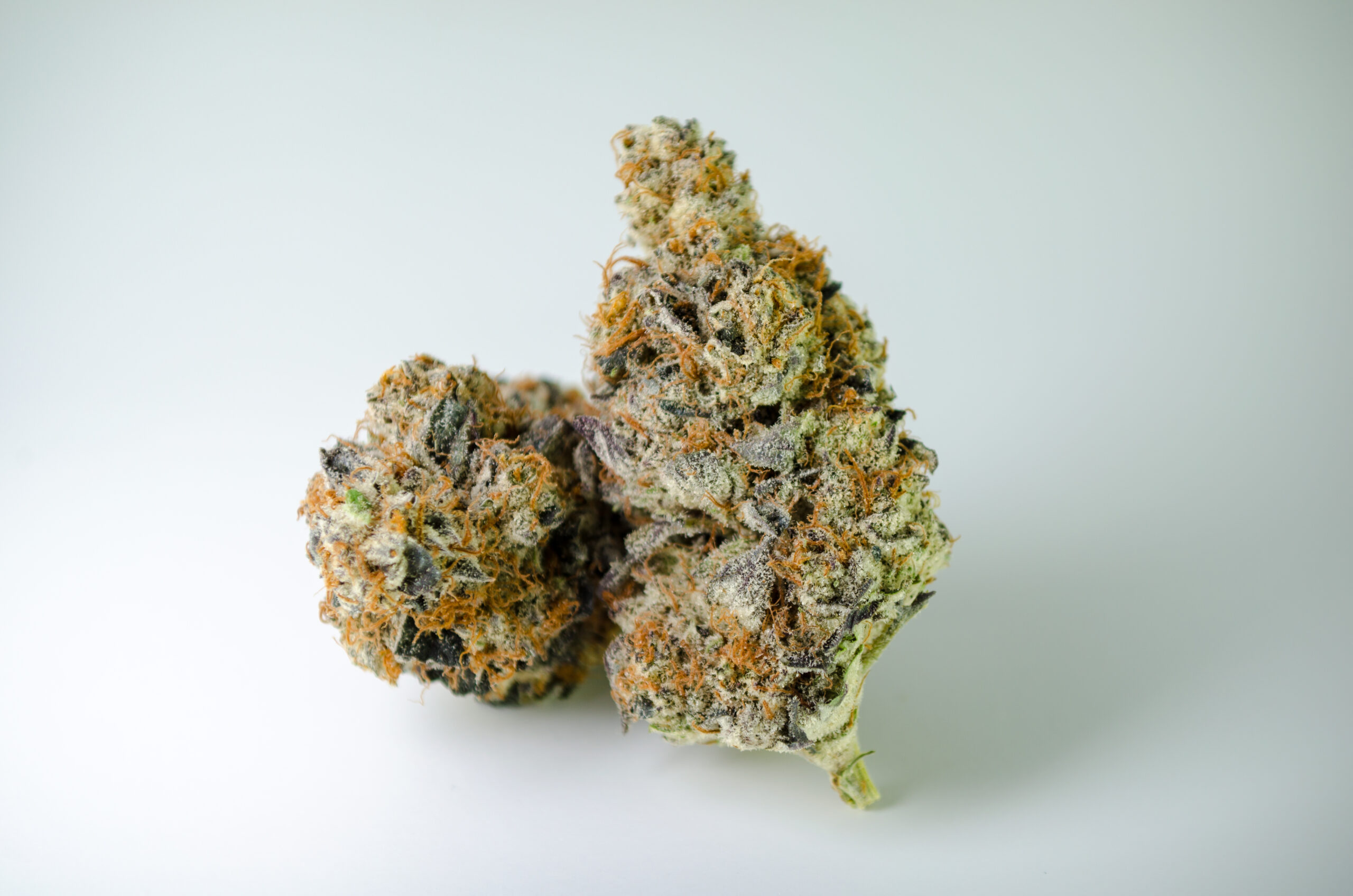
When the cutting action is clean and the flower is in the right condition, you can remove leaf efficiently while protecting the resinous surface. When interaction becomes too abrasive or repetitive, the process starts removing more than leaf.
Trim wet: what it makes sense and what goes wrong if you wait too long
Trim wet means trimming freshly harvested plants.
Here, the biggest risk is not wet trimming itself, but time and workflow discipline.
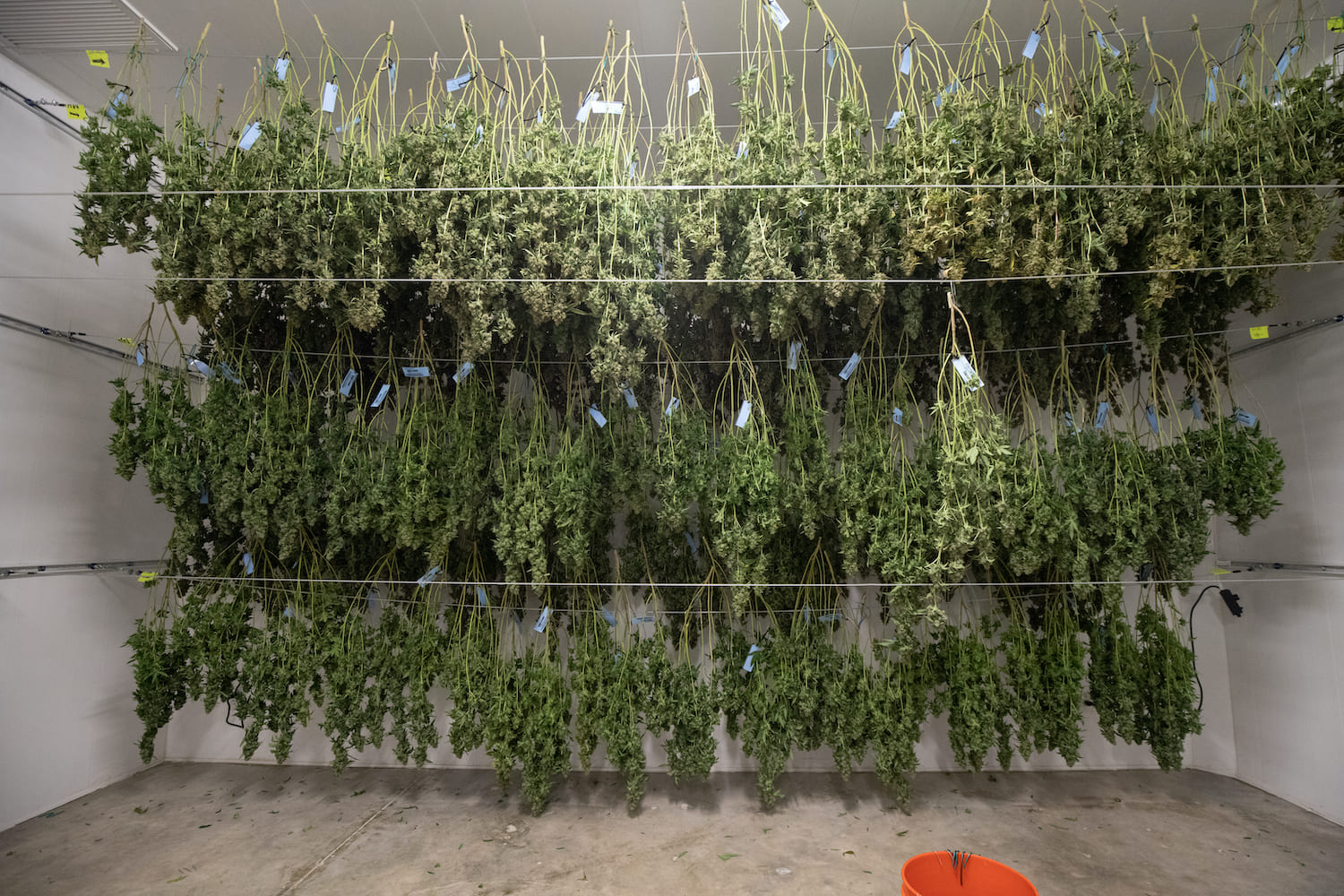
If you take too long to process or trim harvested plants, leaves will start to droop. If you harvest and accumulate plants before moving them into a climate-controlled area, you increase the risk of mold, oxidation, and flowers changing color.
Better to harvest in sync with your capacity than to rush and compromise the final product.
Critical conditions for trim wet (temperature, humidity and light)
Wet trimming demands strict environmental control because the material still contains a lot of moisture and is highly sensitive right after cutting.
Temperature
Temperature control is non-negotiable after harvest. Once the plant is cut, keeping flowers above 20ºC starts to compromise quality. When it’s time to trim, the environment should be below 15ºC to preserve terpenes and structure.
The real risk, however, is when heat meets humidity, that combination creates the perfect conditions for oxidation and mold to take hold.
Terpenes and temperature (often underestimated)
Terpenes are highly temperature sensitive. At higher temperatures, especially above 18ºC, terpenes can start to volatilize (depending on the cultivar).
You’ll notice this in a very specific way: the trimming room smells overwhelmingly strong, yet the packed flower ends up retaining far less aroma than it should.
Relative humidity
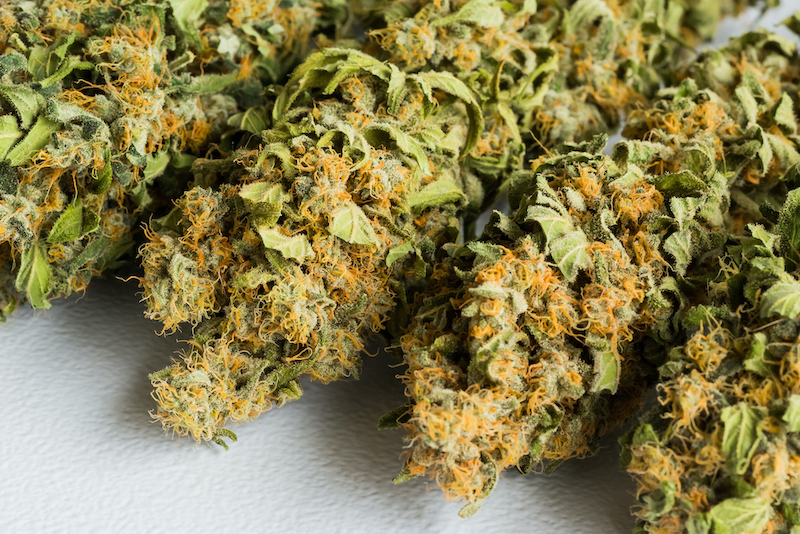
From the moment the plant is cut, humidity becomes a silent factor in quality loss. Keep it above 60% RH and you’ll start to see the consequences: flowers lose their natural color, darken, and begin to oxidize, often before you’ve even finished processing.
Light
It doesn’t take prolonged sun exposure to cause damage; even routine lighting, when combined with higher temperatures or unstable humidity, accelerates degradation. Color fades, terpenes break down, and the final product falls short of its potential.
Trim dry: why it is trending and when we recommend it
Trim dry is increasingly popular, and it is often the preferred option if you can manage it operationally. The trade-off is clear: in the drying room, you generally need more space and better batch control.
Aim for flowers at 10% to 12% moisture content, that’s the sweet spot where buds retain their internal moisture while leaves turn dry and brittle. The result is a cleaner, more efficient trim with less handling and better preservation of the flower’s structure and appearance.
Recommended trim dry conditions (temperature, RH and handling)
Dry trimming involves more fragile material. The goal is to get an efficient finish without breaking flower structure or losing yield.
Temperature
The recommended room temperature sits between 18°C and 20°C, warm enough to keep trichomes intact, cool enough to maintain stability. Go too low, and the material becomes brittle enough that trichomes start to shear off during processing.
Relative humidity (RH)
Humidity in the trimming room should hover around 50%. This balance keeps the flower from becoming overly dry while still allowing leaves to snap cleanly.
Time-in-machine and gentle processing
The flower is fragile at this stage. If it’s too brittle, every extra second in the trimming machine increases the risk of breaking buds and losing yield. The goal is efficient processing, not prolonged exposure, move the material through quickly and gently to preserve both structure and final weight.
The biggest variable: cultivar behavior
In both trim wet and trim dry, results are not a math operation. Conditions can vary by cultivar, and that changes how trimming behaves, especially in automated dry trimming.
As a general rule, the rounder and compact the flower, the easier it tends to trim. Likewise, indoor flowers often trim dry more consistently than their outdoor counterparts. The practical takeaway? Understand your cultivar and use the conditions that fit your operation best.
How to tell if trimming is too aggressive
If trimming is too harsh, the flower will usually show it first. Flowers may look overworked, over-polished, slightly flattened, or take on a dusty appearance, all signs that the mechanical action has gone beyond cleaning and into damaging. Another telltale sign is the aroma: if the trimming room smells intensely strong while the packed flower retains noticeably less aroma, it’s a strong indicator that terpenes are being released during processing rather than preserved in the final product.
Trim waste offers another window into what’s happening inside the machine. When you see an unusual amount of visible resin or excessive fine material accumulating, the process may be removing more than intended. Some loss is inevitable, but when the waste bin starts collecting what should be staying on the flower, it’s time to reassess your approach.
Conclusion: protect quality without losing operational efficiency
So, how can you preserve cannabis terpenes and trichomes during mechanical trimming? By aligning three things: method (wet vs dry), environment (temperature and RH), and handling discipline.
- In trim wet, speed and climate control are critical. Keep trimmed product cool (ideally below 15ºC during processing), avoid >60% RH, and minimize light exposure to reduce oxidation and mold risk.
- In trim dry, the condition of the flower matters most. Aim for 10% to 12% moisture, run at 18ºC to 20ºC and ~50% RH, and avoid excessive time in the machine to protect structure and yield.
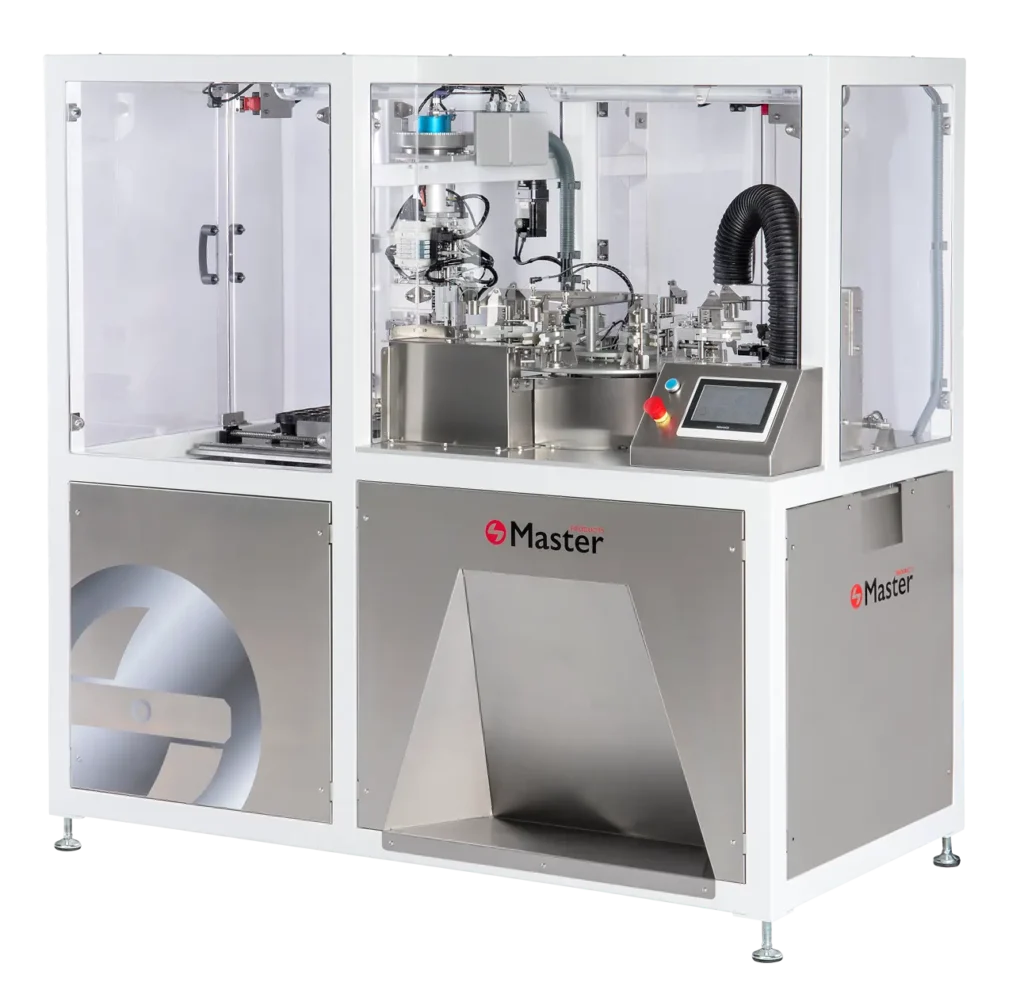
At Master Products we can help you define the right approach based on your facility layout, production volume, and cultivar behavior, so you can standardize trimming conditions and protect quality batch after batch.